



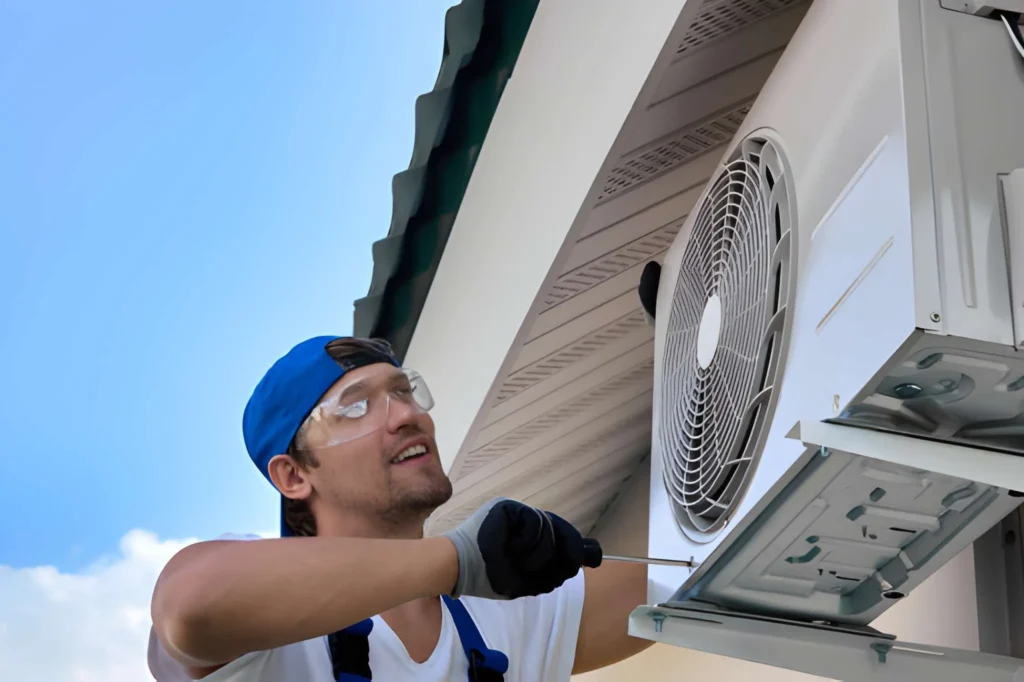
Troubleshooting Heat Pump Issues: Not Heating or Cooling — A Practical Repair & Maintenance Guide
Heat pumps keep your home comfortable year-round, but when they stop heating or cooling properly it’s more than an inconvenience — it’s stressful. This guide walks you through the most common causes, quick checks you can do yourself, and routine upkeep to keep your system running. By the end you’ll know how to spot symptoms, run simple diagnostics, and decide when to call in a pro.
Why Is My Heat Pump Not Heating or Cooling? Common Causes Explained
When your heat pump can’t reach or hold temperature, something in the heat-transfer process is likely disrupted. Common culprits are thermostat problems, low refrigerant, restricted airflow, or mechanical/electrical faults. Catching these early reduces repair costs and helps avoid further damage. For more detailed information, visit the 4 main components of a heat pump.
What Are the Typical Symptoms of Heat Pump Heating and Cooling Failures?
Spotting the symptoms early helps narrow down the cause. Look for:
- Temperature swings: Rooms feel noticeably warmer or cooler than the thermostat setting.
- Odd noises: Grinding, hissing, or rattling often point to mechanical or airflow problems.
- Higher energy bills: A sudden jump in costs can mean the system is running inefficiently.
These signs guide your next troubleshooting steps and indicate if you need professional help.
How Do Thermostat Settings Affect Heat Pump Performance?
Your thermostat controls how the heat pump services cycles. Wrong mode settings, a miscalibrated sensor, or weak batteries in wireless thermostats can make the system run too long or not at all. Double-check the mode (heat/cool/auto), temperature setpoints, and any scheduling. If readings look off, recalibrate or replace the thermostat as needed.
How Can I Diagnose and Fix Common Heat Pump Problems?
What DIY Troubleshooting Steps Can Identify Heat Pump Issues?
Try these basic checks before calling a technician:
- Check the thermostat: Confirm mode, set temperature, and power/battery status.
- Inspect air filters: Replace dirty or clogged filters to restore airflow.
- Examine the outdoor unit: Clear leaves, grass, or debris around the unit so air can flow freely.
- Check circuit breakers: Ensure no related breakers have tripped, which can cut power to the system.
When Should I Call a Professional for Heat Pump Repair?
Some issues are best left to trained technicians. Contact a pro if you see any of the following:
- Refrigerant is low — that usually means a leak and needs certified handling.
- Electrical faults — burnt wiring, frequent breaker trips, or component failures.
- Persistent problems after basic checks — if DIY steps don’t fix it, a thorough diagnosis is needed.
- Compressor or reversing valve concerns — major components that require specialist tools and knowledge.
Calling a technician at the right time saves you money and prevents further damage.
What Are the Signs and Solutions for Refrigerant and Airflow Issues?
How Do Low Refrigerant Levels Impact Heat Pump Heating and Cooling?
Low refrigerant reduces the unit’s capacity to transfer heat. Common indicators include:
- Weaker heating/cooling: The system struggles to reach set temperatures.
- Ice on coils: Frost or ice on outdoor coils often signals a refrigerant problem.
If you suspect low refrigerant, contact a licensed technician to inspect for leaks, repair them, and recharge the system correctly.
What Are the Effects of Clogged Air Filters and Blocked Outdoor Units?
Restricted airflow forces the system to work harder and can cause other problems:
- Lower efficiency: The unit runs longer and uses more energy.
- Overheating or freezing: Poor airflow can make indoor coils freeze or cause the system to overheat and shut down.
Simple maintenance — regular filter changes and keeping the outdoor unit clear — prevents most airflow-related issues.
How Do Electrical and Mechanical Components Affect Heat Pump Operation?
What Electrical Problems Cause Heat Pumps to Stop Heating or Cooling?
- Faulty wiring: Loose or damaged wires interrupt power and controls.
- Tripped breakers or blown fuses: Repeated trips can indicate an underlying shortage or overload.
- Capacitor failures: Failed capacitors can prevent fans or compressors from starting.
Electrical work is hazardous. If you suspect electrical faults, have a qualified technician handle the diagnosis and repair. For professional help, consider our HVAC services.
How Do Compressor and Reversing Valve Malfunctions Influence Performance?
- Loss of heating or cooling: A bad compressor can’t move refrigerant effectively.
- Wrong operating mode: A failing reversing valve can switch modes improperly, giving heat when you asked for cool (or vice versa).
- Unusual sounds: Grinding, clanking, or knocking often point to mechanical failure.
These components are critical — early professional inspection prevents full system failure.
How Can I Prevent Heat Pump Failures Through Maintenance?
What Are Essential Heat Pump Maintenance Tips for Homeowners?

Routine care keeps your system reliable. Do these regularly:
- Change filters every 1–3 months to maintain good airflow.
- Schedule annual professional inspections to catch issues early.
- Keep the outdoor unit clear of leaves, brush and debris.
- Ensure vents and registers inside are clean and unobstructed.
These simple steps help your heat pump run more efficiently and last longer.
How Does Regular Professional Service Extend Heat Pump Lifespan?
- Detailed inspections: Technicians find small problems before they grow.
- System tuning: Proper adjustments and cleaning keep your unit operating efficiently.
- Refrigerant and pressure checks: Pros can spot leaks and verify correct charge.
Investing in scheduled service reduces breakdowns and can save you money over the life of the system.
Where Can I Find Reliable Heat Pump Repair Services Near Me in Cornwall, ON?
Local specialists offer faster response times and a better understanding of regional needs. Look for a licensed, experienced team in Cornwall for dependable repairs and maintenance.
Why Choose Wylie Mechanical for Heat Pump Troubleshooting and Repair?
Wylie Mechanical serves Cornwall, ON with experienced HVAC technicians who handle heat pumps, furnaces, and air conditioning. We focus on clear communication, practical solutions, and getting your home comfortable again.
How to Schedule a Free Estimate for Heat Pump Repair in Cornwall?
To schedule a free estimate for heat pump repair, contact Wylie Mechanical at (613) 577-2726. Our staff will explain options and help you book a convenient time for service.
Frequently Asked Questions
What is the average lifespan of a heat pump?
Most heat pumps last about 10–15 years, depending on use, maintenance, and the unit’s quality. Regular servicing and prompt repairs can extend that life. If your unit is nearing this range and needs frequent fixes, replacement may be more cost-effective than ongoing repairs.
How often should I schedule maintenance for my heat pump?
We recommend a professional check at least once a year. Between visits, change filters every 1–3 months and keep the outdoor unit free of debris. Routine maintenance prevents problems and keeps efficiency high.
Can I use my heat pump for both heating and cooling?
Yes. Heat pumps provide both heating in winter and cooling in summer by reversing the refrigerant flow. They’re an efficient year-round solution when properly sized and maintained.
What should I do if my heat pump is making strange noises?
First, turn the system off and inspect for obvious issues like loose panels or debris. Check filters and clear the area around the outdoor unit. If noises continue, call a technician — strange sounds can signal a failing motor, compressor, or other mechanical issue.
How can I improve the efficiency of my heat pump?
Keep filters clean, schedule annual professional tune-ups, and make sure the outdoor unit has good airflow. Sealing ductwork, using a programmable thermostat, and ensuring proper insulation also help reduce energy use.
What are the signs that my heat pump needs to be replaced?
Consider replacement if you have frequent breakdowns, rising energy bills, uneven temperatures, or if the unit is over 10–15 years old. If repair costs approach half the price of a new system, replacing is often the smarter investment.
Are there any rebates or incentives for upgrading my heat pump?
Many regions and utilities offer rebates or incentives for high-efficiency heat pump upgrades. Check with local energy programs or your utility provider to see what’s available — these incentives can substantially lower upgrade costs.
Conclusion
Knowing the common causes and simple checks for heat pump issues helps you act quickly and avoid bigger problems. Follow the troubleshooting tips and maintenance steps in this guide, and don’t hesitate to contact a qualified technician if problems persist. If you need help in Cornwall, reach out to our team to get your system back to peak performance.