



Common Traditional Water Heater Problems & Fixes: Troubleshooting and Repair Solutions
Traditional tank water heaters store and heat a supply of hot water using gas burners or electric elements. When they stop working properly, you’ll notice symptoms like no hot water, visible leaks, odd noises, rotten smells, or poor efficiency — all of which hurt daily comfort and raise utility bills. This guide walks through the most common tank water heater problems, why they happen, and practical fixes you can try safely at home. It also explains when to stop DIY and call a pro. You’ll get quick checks for parts such as the pilot light, thermostat, heating element, T&P (temperature-and-pressure) valve, and anode rod, step-by-step troubleshooting, and a simple framework for deciding repair versus replacement. We also use helpful keywords like hot water tank fix, water heater repair, tank heater issues, and water heater not heating to make solutions easy to find. After a short local-service note, the article covers symptom-specific troubleshooting, leak control, noise diagnosis, odor fixes, replacement guidance, and a safety-first maintenance checklist.
Wylie Mechanical is a local Cornwall, ON resource for HVAC and water heater help — from repairs and installs to inspections, ductless mini-splits, ventilation, gas lines, and indoor air quality. Our licensed technicians bring local experience and offer free estimates, 24/7 emergency service, and maintenance plans called “Peace Of Mind” starting at $7.99/month. If troubleshooting turns up a safety issue — a gas smell, persistent leak, or electrical hazard — contact Wylie Mechanical to book an evaluation or emergency repair. We’ll help determine whether a hot water tank fix or a replacement is the safest, most cost-effective choice. This business note points you to local support; the rest of the article focuses on practical diagnostics and repair guidance for tank heaters.
Why is my traditional water heater not heating properly?
Your tank water heater won’t heat properly when one or more key parts fail. On gas units this is often a pilot light or thermocouple issue; on electric units it’s commonly a burned-out heating element, a tripped breaker, or a faulty thermostat. Sediment that settles on the tank bottom can also insulate water from heat sources, causing uneven temperatures and lower output. The quick table below helps match symptoms to likely parts and lists safe initial checks you can try before calling a technician. Always put safety first — shut off gas or power before any invasive work — and call a pro for gas-control, wiring, or persistent faults.
| Component | Symptom | Quick DIY Check |
|---|---|---|
| Pilot light / Gas control | No hot water; burner won’t ignite | Confirm the pilot is lit; if it isn’t, follow the manufacturer’s relight steps or stop and call for help if you smell gas |
| Heating element (electric) | Little or no hot water; uneven temperatures | Check/reset the breaker and test element continuity only if you’re comfortable using a multimeter |
| Thermostat | Water too hot or too cool | Check the setpoint and reset to 120°F; watch temperature for 30–60 minutes |
| Sediment buildup | Rumbling or reduced hot water volume | Drain a few gallons from the tank to see if sediment comes out |
| T&P valve / pressure | Intermittent heating or safety shutoffs | Look for leaks or discharge from the relief pipe and confirm system pressure is correct |
These quick checks help you separate safe DIY actions from issues that need a professional diagnosis. Knowing the likely part makes it easier to decide whether a hot water tank fix is realistic or if licensed water heater repair is required. Next, we look at causes by power source so you can focus on the most likely fixes.
What causes no hot water in traditional water heaters?
No hot water usually comes down to a few source-specific failures. Gas units commonly have an extinguished pilot, a failing thermocouple that cuts gas for safety, or a faulty gas valve. Electric units more often have burned-out elements, a tripped breaker, loose wiring, or a bad thermostat. Sediment affects both gas and electric tanks by reducing heat transfer and sometimes burying elements, which speeds element failure and leads to uneven or no heating. For safety, start with basic checks: confirm the breaker is on for electric units or that the pilot is lit for gas units, then stop and call a professional if the issue involves gas controls, wiring, or internal tank corrosion.
Understanding the differences between gas and electric systems narrows the troubleshooting steps and helps you know when a simple relight or reset will do and when a certified technician should intervene. The next section gives safe, step-by-step troubleshooting you can follow at home.
How can I troubleshoot and fix water heater heating problems safely?
Begin with a safety checklist: shut off power at the breaker for electric heaters or set the gas control to “pilot” for gas units, and make sure the area is well ventilated and free of flammable vapors. For gas heaters, follow the manufacturer’s pilot-relighting instructions exactly: set the gas valve to “pilot,” press the control while using the built-in igniter or a long lighter, and hold the thermocouple button for 30–60 seconds to ensure the pilot stays lit. If you smell gas at any point, stop and call a professional. For electric heaters, reset the high-temperature cutoff and check the breaker; if the breaker trips right after reset, stop and call an electrician or licensed repair technician. If you suspect a failed heating element but aren’t comfortable checking continuity with a multimeter, schedule professional water heater repair to avoid electrical risk. These safe steps tell you whether a hot water tank fix is possible or if you should request hands-on service from a licensed provider.
If these steps don’t fix the problem, a professional diagnosis will identify deeper faults — a failing gas valve, internal wiring issues, or tank corrosion — that need experienced repair.
How do I identify and fix leaks in my traditional water heater?
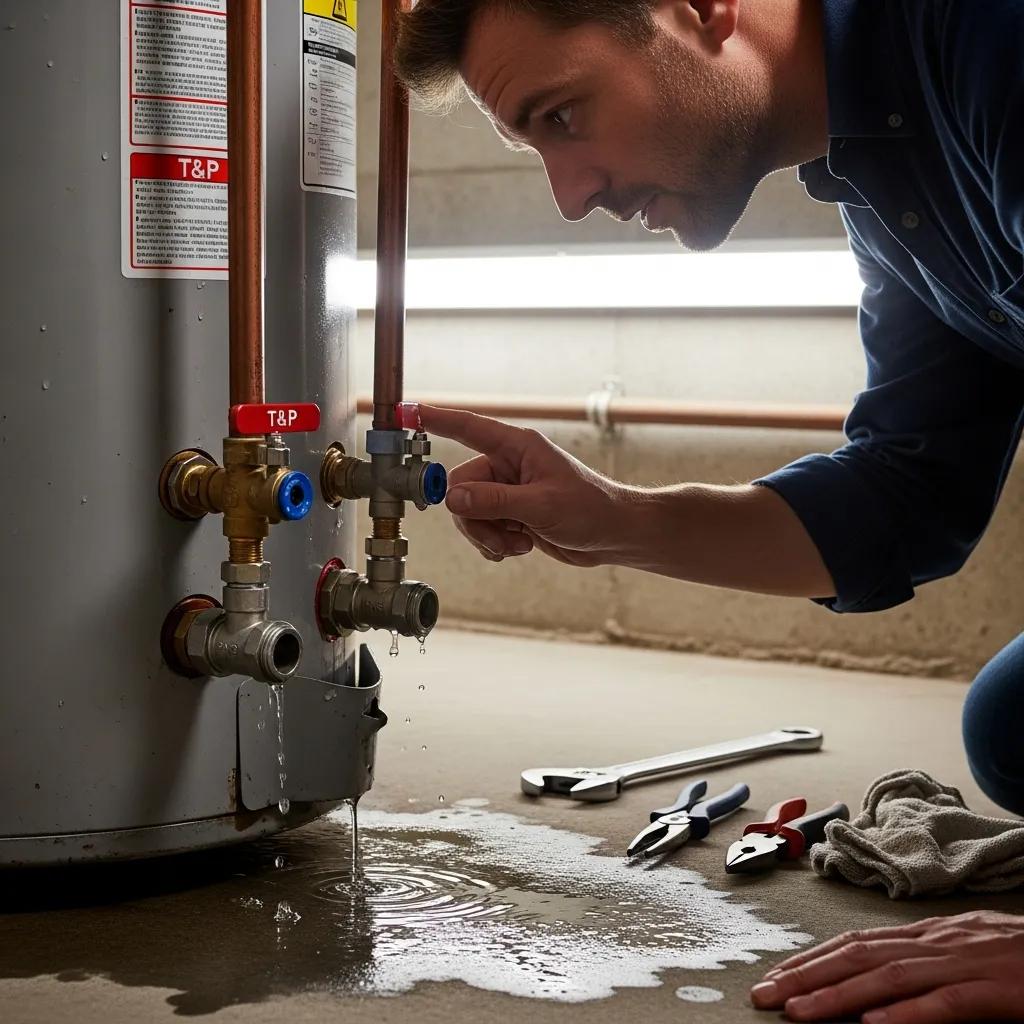
Leaks usually come from a few predictable spots: the T&P valve, the drain valve, inlet/outlet fittings, or the tank shell itself when corrosion sets in. Each source has different repair options and urgency. Start by inspecting for rust, pooling water, or wet fittings, and note whether the leak gets worse when the unit heats — that can point to thermal expansion or pressure discharge. The table below lists common leak sources, what to look for, and immediate homeowner steps to limit damage before a professional arrives. If the leak is from the tank shell or a seam, replacement is typically required because internal corrosion is a sign of imminent failure.
When a leak starts, quick, safe actions reduce damage and protect everyone while you arrange repair or replacement with a licensed technician.
| Leak Source | Visual Clue | Immediate Homeowner Action |
|---|---|---|
| T&P (temperature & pressure) valve | Water coming from relief pipe or valve | Note if discharge happens during heating; briefly lift the valve to test, then shut down and call a pro if it won’t stop |
| Drain valve | Pooling water around the base | Tighten the packing nut; if the valve body leaks, replace the valve or isolate the tank and call for repair |
| Fittings / connections | Wet inlet/outlet fittings | Tighten fittings and apply thread sealant if you’re comfortable, then monitor |
| Tank corrosion / seam leak | Rust spots or slow seepage from tank | Stop DIY attempts; shut off water and power, and contact a pro for likely replacement |
Below is a short action checklist to follow immediately when you find a leak. These steps focus on safety and damage control. After that, contact a qualified service provider for full repair or replacement.
Immediate actions to limit damage when a leak occurs:
- Shut off the water supply: Close the cold-water inlet valve to stop water flowing into the tank.
- Disconnect power or gas: Turn off the electric breaker or set the gas control to “off” to remove hazards.
- Contain the leak: Place buckets and towels under the leak and protect flooring and nearby equipment.
- Call for emergency help if substantial: If the area floods or you smell gas, get immediate professional or emergency assistance.
These steps slow damage and keep people safe until a technician can inspect the unit. If the leak is a repairable component like a valve or fitting, a water heater repair usually solves it. If the tank itself is corroded, arrange a replacement promptly.
What are common sources of water heater leaks?
Common leak sources are the T&P valve (pressure relief), the drain valve used for flushing, loose or corroded inlet/outlet fittings, and, ultimately, tank corrosion that produces small weeps or seam failures. T&P valve leaks are often periodic drips during heating cycles from pressure spikes or thermal expansion. Drain-valve leaks usually show as steady pooling at the base. Fitting leaks appear at connections and can often be tightened or resealed; but visible rust or crusting on the tank surface suggests internal corrosion, where repairs are only temporary. Catching rust and minor seepage early makes component replacement possible; heavy tank corrosion generally means a full water heater replacement to avoid sudden failure.
Knowing how to distinguish these sources helps you prioritize quick fixes versus replacement. The next section gives an immediate action plan to protect property and people when leaks happen.
What immediate steps should I take when my water heater is leaking?
First, shut off the cold-water supply and isolate energy sources to eliminate electrical or combustion risk. After that, drain a small, controlled amount from the tank into a safe container to reduce pressure and remaining water, and place absorbent materials under the leak to limit floor damage. If you smell gas, evacuate and call emergency services right away. For significant leaks or tank corrosion, contact a licensed technician who offers emergency response and free estimates. Wylie Mechanical provides 24/7 emergency service and free estimates for Cornwall, ON and nearby communities; if the leak isn’t a simple valve fix or the tank shows corrosion, request immediate help to evaluate repair versus replacement.
Temporary mitigation reduces water damage until professionals arrive, and knowing when to call emergency service protects occupants and property.
What do unusual noises from my water heater mean and how can I fix them?
Noises like popping, rumbling, hissing, or banging usually point to operational issues that lower efficiency and shorten tank life. Identifying the sound helps find the cause: popping or rumbling is typically trapped sediment burning off, hissing can be leaking valves, and banging often comes from water hammer or an expansion tank that has lost its air charge. Loose fittings can also transmit vibration into nearby structures. The short diagnostic list below links common sounds to likely causes and simple fixes, followed by maintenance tips to reduce noise long-term.
Common noises and quick fixes:
- Popping or rumbling: Sediment in the tank — flush the tank and consider professional descaling.
- Hissing or continuous flow: Leaking valve or fitting — inspect and tighten or replace the valve.
- Banging or water hammer: High pressure or failed expansion tank — check system pressure and expansion tank charge.
- Clicking or ticking: Thermal expansion against metal — ensure clearance and add insulation where needed.
These targeted fixes restore efficiency and reduce wear on heating elements. The next section explains how to perform maintenance that minimizes noise recurrence.
Which noises indicate sediment buildup or expansion tank issues?
Popping or rumbling during heating almost always means sediment has built up on the tank bottom; trapped solids heat, create steam pockets, and pop as the steam escapes. Long-term sediment also cuts usable tank volume and stresses heating elements. Sharp banging or water hammer usually signals an undercharged or failed expansion tank that can’t absorb thermal expansion, causing pressure spikes and noisy pipe movement. If noise comes with reduced hot water or visible sediment when draining, flushing the tank is the right first step. If noise happens with pressure spikes or T&P discharge, check expansion tank pressure or have one installed or replaced. Identifying the cause tells you whether a homeowner flush and pressure check will do or if professional maintenance is needed.
With likely causes identified, the following section outlines maintenance practices that cut noise and extend tank life.
How do I perform maintenance to reduce water heater noise?
Core tasks to reduce noise and improve efficiency are annual flushing to remove sediment, inspecting and replacing the anode rod when it’s depleted, and checking expansion tank pressure. To flush: turn off water and power/gas, attach a hose to the drain valve, open a hot-water faucet, and drain several gallons until water runs clear — do this yearly or more often in hard-water areas. Inspect the anode rod by partially draining and removing it; replace it if heavily corroded to protect the tank and reduce sulfur smells. If you find heavy sediment or scale you can’t remove, schedule professional descaling to prevent element failure or tank damage.
Regular preventive maintenance fixes most noise problems and leads naturally into troubleshooting water quality and odor issues.
How do I troubleshoot foul odors and water quality issues from my water heater?
A rotten-egg smell in hot water usually means hydrogen sulfide produced by bacteria reacting with the anode rod. Brown or discolored water often points to corrosion or heavy sediment. A quick check is to run cold taps — if the smell or color is only in hot water, the heater is likely the source. Initial fixes are a tank flush, anode rod replacement, and, if needed, chlorination/disinfection performed by a professional. Ongoing water testing will show whether your source water chemistry contributes to persistent problems.
Understanding these chemical and microbial causes helps decide whether an anode rod replacement or full tank treatment is the right solution.
| Cause | How to Detect | Short-Term Remediation |
|---|---|---|
| Bacterial hydrogen sulfide | Rotten-egg smell in hot water only | Flush the tank, disinfect/chlorinate, and replace the anode rod if the smell continues |
| Anode rod corrosion | Metallic taste or discolored hot water | Inspect and replace the anode rod to slow corrosion and cut odors |
| Sediment and rust | Brown or gritty water after draining | Thoroughly flush the tank; consider a sediment filter on the supply line |
| Source water contamination | Both hot and cold water affected | Test source water and address municipal or well treatment needs |
If odors or discoloration remain after initial steps, a professional water-quality assessment can determine whether anode replacement or full tank replacement is the better long-term fix.
What causes rotten egg smells and discolored water in hot water?
Rotten-egg odors come from hydrogen sulfide produced by bacteria in low-oxygen water reacting with the sacrificial anode rod — magnesium rods tend to make this more likely. Brown or reddish hot water usually indicates internal tank corrosion or disturbed sediment. Testing cold water helps you tell if the problem is only in the heater. Flushing the tank and checking the anode rod often clears temporary odors and discoloration; if smells persist, chlorination or a full anode swap may be needed to change the tank’s electrochemistry. These diagnostics guide whether you can do a hot water tank fix yourself or should schedule professional remediation.
These steps lead naturally into how replacing the anode rod can improve water quality and extend tank life.
How can anode rod replacement improve water quality?
The anode rod is a sacrificial metal piece that corrodes instead of the steel tank. When the rod is spent, the tank corrodes faster, producing rust and chemical reactions that can cause odors and discoloration. Replacing the anode rod restores protection and often reduces hydrogen sulfide smells because it changes the tank’s electrochemical balance. Replace the rod if it’s heavily corroded, if you see persistent odors after flushing, or if visual inspection shows heavy wear. An anode swap can slow tank corrosion and add meaningful life to a marginal unit. If odors persist after replacement, a professional disinfection or water-quality treatment may be needed for source-water bacteria.
When should I repair versus replace my traditional water heater?
The repair-or-replace choice depends on unit age, the leak’s source and severity, repair frequency, energy-efficiency loss, and the cost compared with expected remaining life. As a rule: tanks older than 10–15 years, tanks with active corrosion or seam leaks, or units needing repeated major repairs are usually replacement candidates. Isolated part failures — a bad heating element, T&P valve, or drain valve — are typically repairable. The decision table below compares common situations by age, symptom, repair likelihood, expected remaining life, and recommended action to help you weigh options. Use these criteria to decide whether water heater repair makes financial sense or a replacement offers better value over time.
| Unit Age / Condition | Typical Symptom | Repair Likelihood / Cost | Expected Remaining Life | Recommended Action |
|---|---|---|---|---|
| < 8 years, isolated part failure | Faulty element or valve | High; usually lower-cost repair | 5–10 years | Repair and monitor |
| 8–12 years, multiple repairs | Frequent element or thermostat issues | Moderate; costs rise with repeated fixes | 2–5 years | Compare repair vs replacement |
| > 12–15 years or tank corrosion | Seams weeping, rust, tank leak | Low; tank replacement usually required | < 1 year | Replace unit |
If you’d rather have an expert look, a licensed technician can inspect your unit, estimate repair costs, and recommend replacement options based on remaining life and efficiency trade-offs.
What factors determine repair or replacement decisions?
Key factors include unit age (typical tank life is 10–15 years), where a leak comes from (repairable valve or a tank seam that needs replacement), how often you’ve had repairs, and energy-efficiency losses compared to a new unit. Other considerations are water quality (hard water speeds wear), discolored water or odor (which can point to internal corrosion), and whether you want to avoid repeat service calls. A practical rule: if repair costs approach 50% or more of a replacement quote and the unit is past mid-life, replacement is usually the better long-term choice. The table above gives common scenarios and suggested actions based on these points.
How does regular maintenance extend water heater lifespan?
Regular maintenance — annual flushing, anode rod checks/replacement, T&P valve testing, and thermostat checks — reduces sediment, slows corrosion, and keeps safety devices working. Flushing removes abrasive sediment that damages elements and reduces heating capacity. Replacing a depleted anode rod prevents rapid tank corrosion. Routine checks catch small leaks, loose fittings, and failing valves before they become emergencies. Keeping the thermostat at balances scald protection with energy savings and reduces thermal stress. Many service providers offer maintenance plans that bundle these tasks into scheduled visits, which can be more cost-effective than one-off repairs.
| Maintenance Task | Recommended Frequency | Benefit |
|---|---|---|
| Flush water heater | Annually (more in hard-water areas) | Removes sediment and restores efficiency |
| Inspect anode rod | Every 1–3 years | Prevents tank corrosion and odors |
| Test T&P valve | Annually | Verifies overpressure protection |
| Check thermostat & elements | Annually | Maintains safe temperature and prevents scalding risk |
Following a simple maintenance schedule lowers the chance of emergency failure and meaningfully extends a tank heater’s useful life.
Wylie Mechanical can help evaluate whether repair or replacement is the right call and offers “Peace Of Mind” maintenance plans starting at $7.99/month that bundle routine inspections and service. Our licensed technicians in Cornwall, ON will help you compare repair costs to replacement and estimate remaining life so you can make a practical choice.
How can I maintain my traditional water heater for longevity and efficiency?
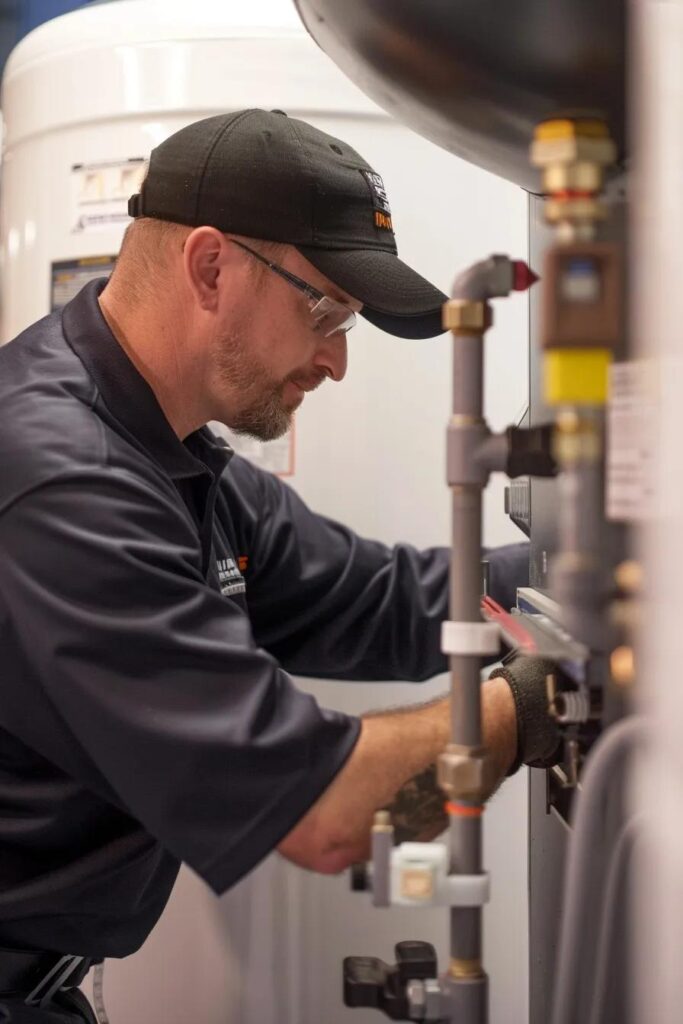
Keeping a tank heater running well means a regular routine of safety checks, sediment control, component inspection, and pressure management. Start with an annual flush, inspect or replace the anode rod based on water conditions, test the T&P valve, and check expansion-tank pressure. Keeping the thermostat at balances scald safety and energy use. Below is a homeowner-friendly checklist with recommended frequencies and when to call a professional. A steady maintenance plan reduces emergency repairs and helps you plan for eventual replacement.
These actions protect the tank and lower the risk of sudden failures. The checklist below shows practical timing for each task.
Essential maintenance checklist for homeowners:
- Annual tank flush: Drain several gallons to clear sediment and improve heat transfer.
- Anode rod inspection: Check every 1–3 years; replace if more than 50% consumed.
- T&P valve test: Lift the valve lever annually to confirm proper discharge, then close securely.
- Thermostat and elements check: Verify settings and element function annually or when performance drops.
| Task | Recommended Frequency / Action | Benefit |
|---|---|---|
| Flush tank | Annually; twice yearly in hard-water areas | Removes sediment and prevents element damage |
| Inspect/replace anode rod | Every 1–3 years | Reduces corrosion and odor issues |
| Test T&P valve | Annually | Ensures safety relief works correctly |
| Check expansion tank pressure | Annually | Prevents pressure-related leaks and noise |
Keeping to this schedule helps your hot water tank run efficiently and cuts long-term operating and replacement costs. schedule hvac service
What are essential maintenance tasks for traditional water heaters?
Essential tasks include an annual flush to remove sediment, periodic anode rod inspection and replacement, T&P valve testing, drain valve inspection, thermostat calibration, and occasional inspection of gas controls or electrical connections by a licensed technician. The annual flush prevents rumbling and element damage, and anode checks slow internal corrosion and reduce odors. For safety and warranty reasons, have gas control or electrical repairs handled by licensed pros when issues exceed basic DIY abilities.
How often should I flush my water heater and check components?
As a baseline, flush the tank once a year and inspect the anode rod every 1–3 years, with more frequent checks where water is hard or sediment-heavy. If you hear noise, see reduced hot water, or notice discolored output, increase flushing and inspections to every six months until the problem clears. Any T&P valve discharge or pressure symptoms should be checked right away, regardless of schedule. Monitoring these signs and adjusting intervals based on water quality will extend tank life.
Consistent checks and adaptive scheduling keep your system efficient and reduce the risk of emergency replacement.
Wylie Mechanical’s maintenance plans and services help homeowners follow these schedules affordably. Our licensed technicians handle annual flushing, component checks, and safety tests to protect unit life and performance. For urgent problems — active leaks, gas smells, or major heating failures — we offer 24/7 emergency service and free estimates for Cornwall, ON residents, providing fast evaluation and repair or replacement guidance.
Wylie Mechanical and our local team — led by Randy Wylie — are available to schedule inspections, provide free estimates, and respond to emergency calls for traditional water heater issues in Cornwall, ON and nearby areas. We emphasize licensed, experienced technicians, comprehensive HVAC and water heater services, 24/7 emergency response, and maintenance plans called “Peace Of Mind” starting at $7.99/month to keep systems safe and efficient. If you have a major leak, smell gas, face persistent heating failure, or deal with complex water-quality problems, contact Wylie Mechanical for a professional assessment and a clear recommendation between a hot water tank fix, water heater repair, or replacement. Our local expertise helps you prioritize safety, minimize downtime, and choose the most cost-effective long-term solution.
Frequently Asked Questions
What are the signs that my traditional water heater needs maintenance?
Signs you need maintenance include popping or rumbling noises (usually sediment), discolored or foul-smelling hot water (corrosion or bacteria), fluctuating temperatures, and visible leaks. Regularly checking the anode rod and T&P valve helps catch problems early and keeps your heater running efficiently longer.
How can I improve the energy efficiency of my traditional water heater?
Set the thermostat to 120°F for a good balance of comfort and energy savings. Insulate the tank and the first few feet of hot and cold pipes to reduce heat loss. Keep up with regular maintenance like annual flushing to remove sediment. If your unit is old, consider upgrading to a more energy-efficient model.
What should I do if my water heater is making loud banging noises?
Loud banging usually means water hammer or an expansion tank issue. First check your home water pressure — it should be about 40–60 psi. If pressure is high, install a pressure-reducing valve. Also check the expansion tank to ensure it has the correct air charge. If the noise continues, call a professional to diagnose and fix the problem.
How often should I replace the anode rod in my water heater?
Inspect the anode rod every 1–3 years depending on water quality and usage. Replace it if it’s more than 50% corroded. In hard-water areas, check it more often. Replacing the rod helps prevent tank corrosion, improves water quality, and reduces odors.
What are the risks of ignoring water heater maintenance?
Ignoring maintenance leads to lower efficiency, higher energy bills, and greater risk of system failure. Sediment buildup can overheat and damage heating elements, and a spent anode rod accelerates tank corrosion and leaks. Small issues can quickly become costly repairs or force early replacement. Regular maintenance protects safety, efficiency, and lifespan.
Can I perform water heater repairs myself, or should I hire a professional?
You can handle basic tasks like flushing the tank or swapping an anode rod if you’re comfortable with simple plumbing. But gas-control problems, electrical faults, and major leaks should be handled by a licensed professional. Attempting complex repairs without the right skills can be unsafe and may void warranties. When in doubt, call a qualified technician.
Conclusion
Knowing the common problems and safe fixes for traditional tank water heaters helps you keep your home comfortable and avoid surprise costs. Follow the troubleshooting steps and maintenance tips here to extend your heater’s life and reduce emergency repairs. For personalized help, contact Wylie Mechanical — we’ll evaluate your unit and recommend repair or replacement options tailored to your needs. Ask about our maintenance plans to keep your system running its best.