


Professional Gas Line Installation for Appliances: Expert Residential and Commercial Gas Appliance Hookup Services
Professional gas line installation is essential for ensuring the safe and efficient operation of gas appliances in both residential and commercial settings. This process involves the careful installation of gas lines that connect appliances such as stoves, water heaters, and furnaces to the gas supply. Proper installation not only enhances the performance of these appliances but also significantly reduces the risk of gas leaks and other safety hazards. In this article, we will explore the key benefits of professional gas line installation, the steps involved in the installation process, and the importance of hiring licensed technicians for this critical task. Additionally, we will discuss maintenance practices, costs, and why choosing a qualified service provider is crucial for your gas appliance needs.
The fundamental role of fuel gas connectors in delivering natural gas and LPG to various appliances underscores their importance in modern building infrastructure.
What Are the Key Benefits of Professional Gas Line Installation?
Professional gas line installation offers numerous advantages that enhance both safety and efficiency. By employing licensed technicians, homeowners and business owners can ensure that their gas appliances operate optimally while adhering to local safety codes. The primary benefits include improved safety, energy efficiency, and compliance with regulations.
For instance, licensed installers are trained to handle gas lines correctly, which minimizes the risk of leaks and potential hazards. Furthermore, expert installation can lead to significant energy savings, as appliances function more efficiently when connected to properly installed gas lines. This not only reduces utility bills but also contributes to a lower carbon footprint.
Wylie Mechanical specializes in professional gas line installation services tailored for both residential and commercial appliances in Cornwall, ON, and surrounding areas. Their expertise ensures that your gas appliances are installed safely and efficiently, providing peace of mind for homeowners and business operators alike.
How Does Licensed Installation Improve Appliance Safety and Efficiency?

Licensed installation plays a crucial role in enhancing the safety and efficiency of gas appliances. When professionals handle the installation, they ensure that all connections are secure and compliant with local safety codes. This reduces the risk of gas leaks, which can lead to dangerous situations such as explosions or carbon monoxide poisoning.
Moreover, licensed technicians are knowledgeable about the specific requirements for different appliances. They can optimize the installation process to ensure that each appliance operates at peak efficiency. This not only improves performance but also extends the lifespan of the appliances, saving homeowners and businesses money in the long run.
What Energy Efficiency Gains Can You Expect from Expert Gas Line Setup?
Expert gas line installation can lead to substantial energy efficiency gains. Properly installed gas lines ensure that appliances receive the correct gas pressure, which is vital for optimal performance. When appliances operate efficiently, they consume less energy, resulting in lower utility bills.
Additionally, energy-efficient gas appliances can significantly reduce a household’s or business’s carbon footprint. By investing in professional installation, users can expect to see a decrease in energy consumption, contributing to both environmental sustainability and cost savings. This makes professional gas line installation not just a safety measure, but also a smart financial decision.
How Is Residential Gas Line Installation for Appliances Performed?
The process of residential gas line installation involves several critical steps to ensure safety and compliance. Understanding these steps can help homeowners appreciate the importance of hiring licensed professionals for the job.
What Are the Steps in Installing Gas Lines for Home Stoves and Water Heaters?
- Initial Assessment And Planning: The first step involves assessing the home’s layout and determining the best route for the gas line. This includes evaluating the location of the gas meter and the appliances to be connected. Thorough planning helps avoid costly mistakes during installation and ensures the system is designed for optimal performance and safety.
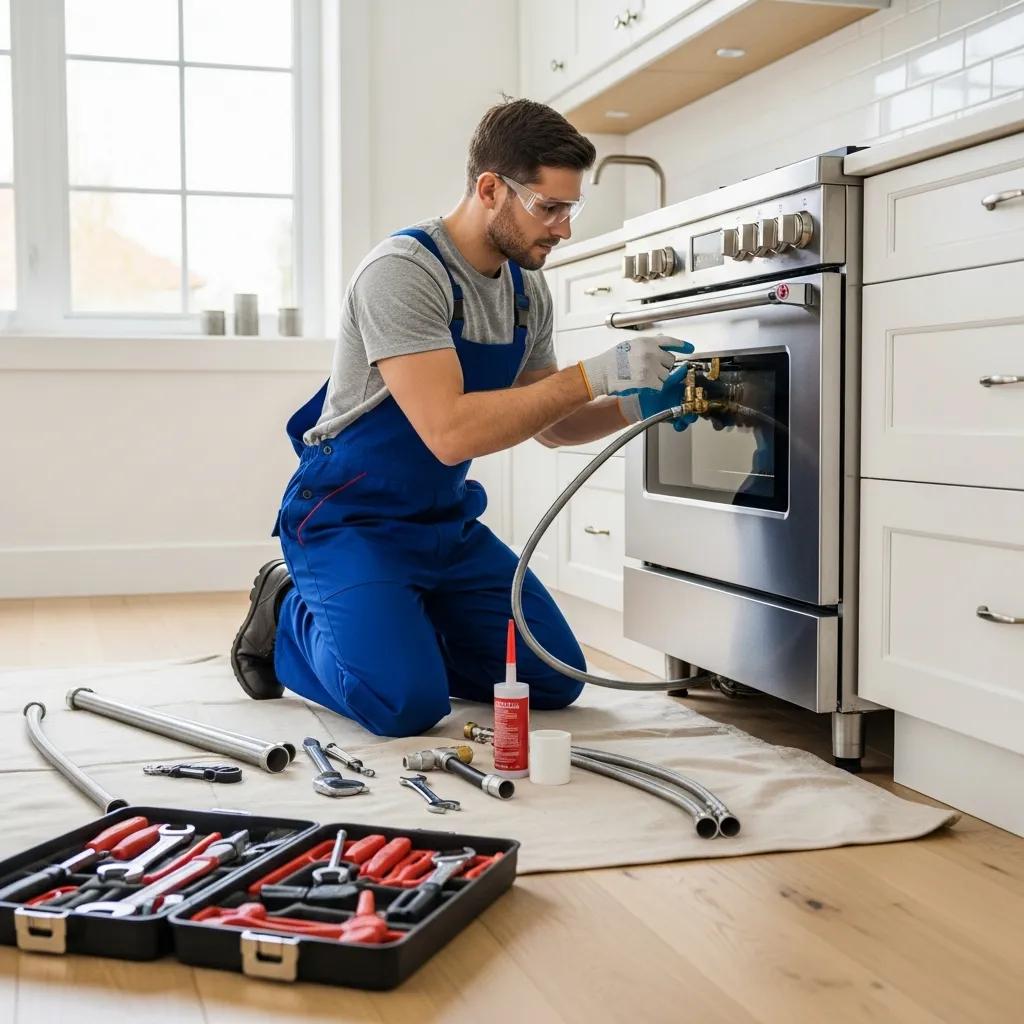
- Installation Of Gas Lines: Once the planning is complete, the technician will install the gas lines, ensuring that all connections are secure and leak-free. This may involve cutting and fitting pipes, as well as installing necessary fittings and shutoff valves. Proper installation techniques are critical to prevent future leaks and maintain system integrity.
- Final Safety Checks: After installation, the technician conducts thorough safety checks to ensure that there are no leaks and that the system operates correctly. This step is crucial for ensuring the safety of the household and compliance with regulatory standards. It includes pressure testing and verification of all connections.
How Do Licensed Gas Line Installers Ensure Compliance with Local Safety Codes?
Licensed gas line installers are well-versed in local safety codes and regulations. They ensure compliance by:
- Knowledge Of Local Codes: Understanding the specific requirements for gas installations in their area, including Ontario’s Building Code and Canadian Gas Association standards. This knowledge allows them to design and install systems that meet or exceed all safety requirements.
- Regular Inspections: Conducting inspections during and after installation to verify that all work meets safety standards, including pressure tests and leak detection. These inspections help identify and correct any issues before the system is put into use.
- Documentation Of Compliance: Providing necessary documentation that proves the installation adheres to local regulations, which is essential for insurance and safety purposes as well as future inspections. This documentation offers peace of mind to property owners and authorities alike.
What Commercial Gas Line Services Are Available for Business Appliances?

Commercial gas line installation services differ significantly from residential installations due to the scale and complexity of the systems involved. Businesses often require specialized solutions to meet their unique needs. These services are designed to handle larger volumes of gas and more complex equipment configurations.
Which Gas Pipe Fitting Solutions Suit Commercial Furnaces and Equipment?
Commercial gas line installations typically involve larger and more robust systems. Suitable gas pipe fitting solutions include:
- Black Iron Pipe: Commonly used for gas lines due to its durability and resistance to corrosion. It is the industry standard for commercial gas piping and provides a reliable, long-lasting solution for high-demand applications.
- Copper Tubing: Often used for smaller installations or specific applications, especially where flexibility and resistance to corrosion are required. Copper tubing is valued for its ease of installation and longevity in certain environments.
- CSST (Corrugated Stainless Steel Tubing): A flexible option that is approved for both residential and commercial use in many areas, making installations in tight or complex spaces easier. Its flexibility allows for quicker installation and adaptability to various building layouts.
Considering the specific characteristics of Corrugated Stainless Steel Tubing (CSST), its installation methods require careful attention, especially in diverse building environments. Proper bonding and grounding are essential to ensure safety and prevent damage from electrical events.
Crucially, the safe deployment of CSST gas piping relies heavily on adhering to specific bonding practices and established safety standards. These practices help protect the tubing from potential hazards such as electrical arcing or perforation.
These fittings must be selected based on the specific requirements of the commercial equipment being used, ensuring both safety and efficiency. Choosing the right materials and installation methods is vital for the longevity and reliability of the gas system.
How Do Commercial Installations Differ from Residential Gas Line Hookups?
Commercial installations differ from residential gas line hookups in several key ways. These differences reflect the scale, complexity, and regulatory environment of commercial properties.
- Larger Scale Installations: Commercial systems are generally more extensive and involve higher volumes of gas flow, requiring larger pipes and more complex configurations. This scale demands specialized equipment and expertise to manage safely and efficiently.
- More Complex Safety Regulations: Businesses must adhere to stricter and more varied safety requirements, which can depend on industry standards, local codes, and the types of appliances used. Compliance with these regulations is critical to avoid penalties and ensure workplace safety.
- Different Equipment Requirements: Commercial appliances often require different gas pressures and volumes than residential units, demanding specialized expertise for correct installation and operation. Properly matching the gas supply to equipment needs is essential for performance and safety.
What Safety Standards and Compliance Measures Govern Gas Line Installation?
Safety standards for gas line installation are critical to ensuring the safety of both residential and commercial properties. Compliance with these standards is non-negotiable for licensed installers. These measures protect property owners, occupants, and the environment from potential hazards.
Why Is Adherence to Local Safety Codes Critical for Gas Line Installations?
Adherence to local safety codes is essential for several reasons. These codes are designed to minimize risks and ensure safe operation of gas systems.
- Legal Implications: Non-compliance can result in legal penalties and fines, as these codes are enforced by municipal and provincial authorities. Following the codes helps avoid costly legal issues and ensures the installation is recognized as safe and legitimate.
- Safety Risks: Failure to follow safety codes significantly increases the risk of gas leaks, fires, explosions, and carbon monoxide poisoning. Proper adherence reduces these risks and protects lives and property.
- Impact On Insurance: Insurance companies may refuse to cover damages resulting from non-compliant installations, affecting both residential and commercial property holders. Compliance ensures that insurance policies remain valid and claims can be processed smoothly.
How Do Licensed Technicians Conduct Gas Line Safety Inspections?
Licensed technicians conduct gas line safety inspections through a systematic process that includes multiple critical checks. These inspections are vital for ongoing safety and compliance.
- Inspection Checklist: Utilizing a comprehensive checklist covering pressure testing, leak detection, ventilation checks, and appliance connections. This thorough approach ensures no aspect of the system is overlooked.
- Common Issues Found: Identifying potential problems such as loose connections, worn-out fittings, corrosion, and improper ventilation that can pose safety threats. Early detection allows for timely repairs and prevents accidents.
- Importance Of Regular Inspections: Emphasizing scheduled inspections to detect issues early and maintain compliance with current safety standards, thus protecting property and occupants. Regular maintenance is key to long-term system reliability.
How Can You Maintain and Repair Gas Lines for Appliances Effectively?
Maintaining and repairing gas lines is crucial for ensuring the long-term safety and efficiency of gas appliances. Regular maintenance can prevent costly repairs and enhance appliance performance. Proactive care helps avoid emergencies and extends the life of your gas system.
What Are Common Gas Line Maintenance Practices to Prevent Breakdowns?
Common maintenance practices include:
- Regular Inspections: Scheduling routine inspections by licensed professionals to identify potential issues before they escalate. These inspections help catch small problems early, preventing major failures.
- Cleaning And Checks: Keeping gas line components clean and free from debris, and checking for corrosion, wear, or damage that could lead to leaks. Proper cleaning ensures optimal gas flow and system integrity.
- Prompt Repairs: Addressing any signs of damage or leaks immediately to prevent more extensive safety hazards and avoid costly emergency repairs. Timely repairs maintain safety and reduce downtime.
When Should You Schedule Professional Gas Line Repair Services?
You should schedule professional gas line repair services when you notice:
- Signs Of Gas Leaks: Such as a distinctive sulfur or rotten egg odor, hissing sounds near gas lines, or dead vegetation around buried lines. These signs indicate a potentially dangerous leak that requires immediate attention.
- Decreased Appliance Performance: Appliances that fail to ignite properly, have uneven heating, or show other signs of inefficient operation may indicate gas line issues. Addressing these symptoms early can prevent further damage.
- Unusual Odors Or Sounds: Any unexpected smells or noises related to gas appliances or lines should be investigated without delay for your safety. Prompt professional evaluation is essential to rule out hazards.
What Are the Typical Costs and Scheduling Considerations for Gas Line Installation?
Understanding the costs and scheduling considerations for gas line installation can help homeowners and businesses plan effectively. Being informed allows for better budgeting and timely project completion.
How Much Does Residential and Commercial Gas Line Installation Cost in Cornwall, ON?
The costs associated with gas line installation can vary based on several factors, including:
- Type Of Installation: Residential installations typically cost less than commercial installations due to their scope and complexity. Commercial projects often require more materials and labor, increasing the overall expense.
- Materials Used: The choice of piping materials, such as black iron pipe, copper, or CSST, influences the overall cost. Higher quality or specialized materials may increase upfront costs but offer better durability.
- Labor Costs: Hiring licensed professionals ensures safety and code compliance, which may affect labor charges, but is crucial for long-term value. Skilled labor reduces the risk of costly mistakes and future repairs.
For precise estimates, contacting local licensed technicians like Wylie Mechanical for a consultation is recommended. They can provide tailored quotes based on your specific needs and property conditions.
What Is the Expected Timeline for Completing a Gas Appliance Hookup?
The timeline for completing a gas appliance hookup can vary based on the complexity of the installation. Generally, homeowners can expect:
- Typical Duration For Installations: Most residential installations can be completed within a few hours to a day, while commercial projects may take longer. The size and complexity of the system directly impact the time required.
- Factors That Can Delay Service: Unforeseen repairs, the requirement for additional permits, or complex system configurations can extend the timeline. Planning ahead and clear communication with your installer can help mitigate delays.
- Importance Of Scheduling In Advance: Early scheduling helps ensure prompt service and reduces disruptions to your home or business operations. Booking ahead allows for better resource allocation and smoother project execution.
Why Choose Licensed Gas Line Installers for Your Appliance Hookup Needs?
Choosing licensed gas line installers is crucial for ensuring the safety and efficiency of gas appliances. Licensed professionals bring expertise and knowledge that is essential for proper installation. Their qualifications provide assurance that the work meets all regulatory and safety standards.
What Qualifications and Experience Should You Look for in Gas Line Technicians?
When selecting gas line technicians, consider the following qualifications:
- Licensing Requirements: Ensure the technician holds valid certifications and licenses relevant to Ontario’s regulations for gas system work. Proper licensing confirms that the technician has met rigorous training and competency standards.
- Experience In The Field: Look for technicians with a proven record of successful gas line installations and repairs in both residential and commercial contexts. Experienced technicians are better equipped to handle complex situations and provide reliable service.
- Customer Reviews And Feedback: Review testimonials to assess reliability, professionalism, and quality of service. Positive feedback from previous clients is a strong indicator of trustworthy and skilled technicians.
How Does Hiring Licensed Installers Ensure Safety and Code Compliance?
Hiring licensed installers ensures safety and compliance through:
- Knowledge Of Safety Codes: Licensed professionals are trained and updated on the latest local and national gas installation codes. This knowledge helps prevent violations and unsafe installations.
- Regular Training And Updates: They participate in ongoing education to stay current with technological advances and regulatory changes. Continuous learning ensures that installers use the best practices and newest safety measures.
- Importance Of Inspections: Licensed installers conduct thorough inspections to confirm all installations meet or exceed safety standards. These inspections are critical to identifying and correcting potential hazards before they become serious issues.
How Do Energy Efficiency and Safety Impact Your Gas Appliance Performance?
Energy efficiency and safety are closely linked to the performance of gas appliances. Proper installation and maintenance can significantly enhance both aspects. Efficient appliances not only save money but also reduce environmental impact.
What Recent Industry Standards from 2024-2026 Affect Gas Line Installations?
- Enhanced Safety Protocols: New regulations require stricter adherence to safety codes during installation, including improved leak detection and ventilation standards. These protocols aim to reduce accidents and improve overall system reliability.
- Energy Efficiency Guidelines: Updated standards encourage the use of energy-efficient appliances and best practices in gas line installation to optimize fuel use. Following these guidelines helps users save on energy costs and supports sustainability goals.
- Impact On Installation Practices: Licensed installers must integrate these requirements into current practices to ensure compliance and maximize appliance performance. Staying current with standards ensures installations are both safe and efficient.
How Can Proper Gas Line Installation Reduce Energy Bills and Appliance Wear?
- Cost Savings Over Time: Efficient gas flow and correct pressure reduce wasted fuel consumption, lowering utility bills. Proper installation ensures appliances operate at their designed efficiency levels, saving money in the long run.
- Reduced Need For Repairs: Properly installed and maintained gas lines minimize leaks and other issues that lead to costly repairs and downtime. This reliability reduces unexpected expenses and inconvenience.
- Enhanced Appliance Lifespan: Ensuring appliances operate under optimal conditions prolongs their functional life, saving you money on replacements. Well-maintained systems perform better and last longer, providing greater value.
Schedule Your Professional Gas Line Installation Today
Ensuring your gas appliances are installed correctly is vital for your safety, energy savings, and peace of mind. Our licensed technicians at Wylie Mechanical specialize in expert gas line installation for both residential and commercial customers in Cornwall, ON, and surrounding areas. Don’t compromise on safety or efficiency—contact us today to schedule your service and experience professional, reliable gas line installation tailored to your needs.